
CIRCULARlakes
TOPICS
Circular Economy, Waste Management, Sustainable Tourism, Artificial Intelligence (AI)
PERIOD
July 2026 – July 2028
LOCATION
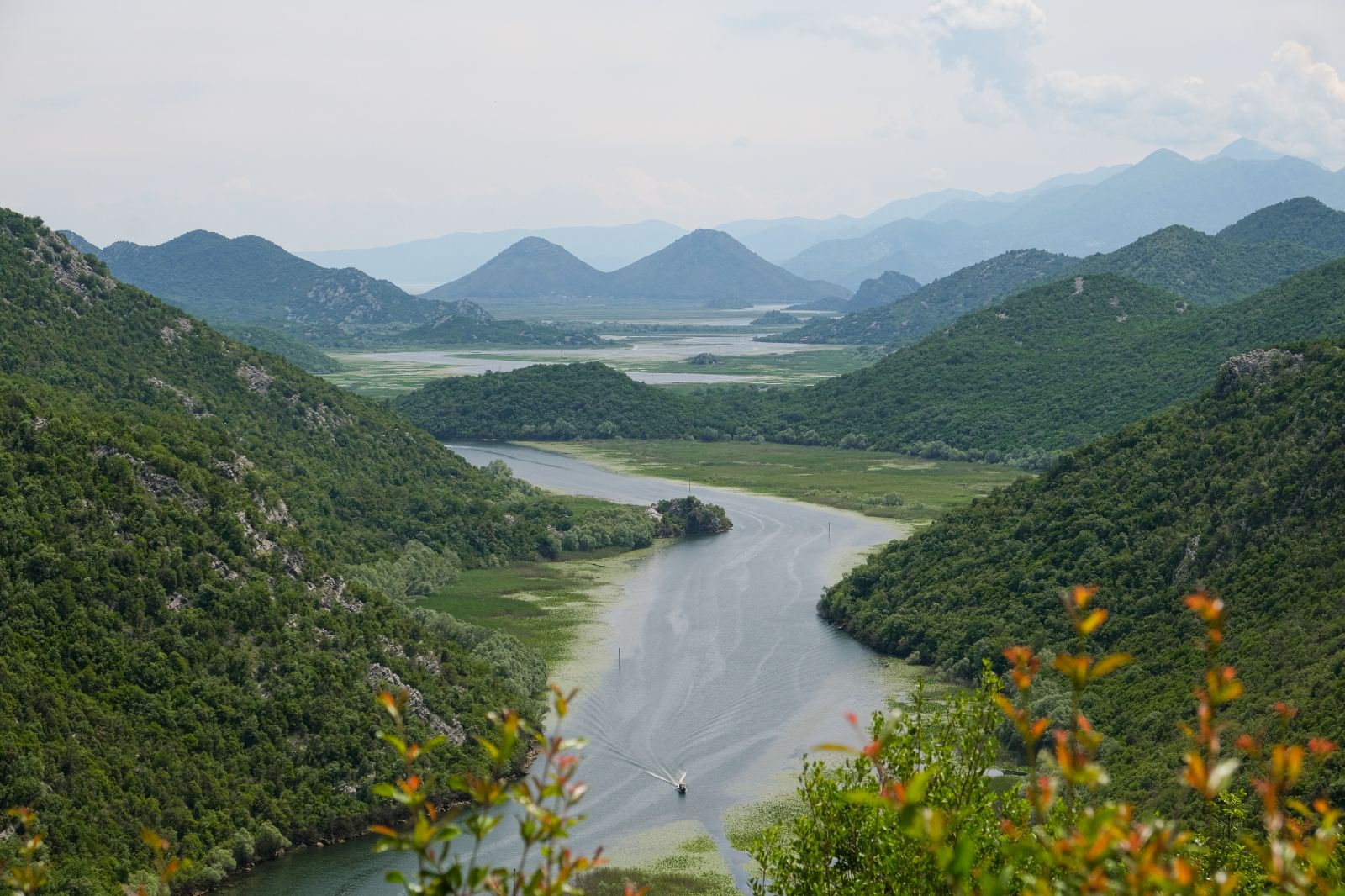
Montenegro- Skadar lake
Bosnia & Hercegovina – Lake Jablanica
Croatia – Baćina lakes
FUNDERS
European Union through the Interreg VI-A IPA CBC Croatia – Bosnia and Herzegovina – Montenegro 2021–2027 Programme
Programme Value
EUR 1,133,442.00 (EU funding: EUR 963,425.70)
SUMMARY
The “CIRCULARlakes” project is implemented within the framework of the Interreg VI-A IPA Cross-Border Cooperation Programme Croatia – Bosnia and Herzegovina – Montenegro 2021–2027, with the aim of promoting sustainable waste management and tourism practices based on circular economy principles in lake regions. The project brings together partners from all three countries, with the LINK Entrepreneurial Centre Association from Mostar as the lead applicant, and Zero Waste Montenegro, the City of Ploče, the Municipality of Jablanica, and the Royal Capital Cetinje as project partners.
The project will be implemented over a period of 24 months, with activities carried out in the areas of Lake Skadar (Rijeka Crnojevića), Baćina Lakes (Baćina settlement), and Lake Jablanica (Ostrožac and Čelebići).
The main objective of the project is to develop and implement a smart, community-driven, and artificial intelligence-supported circular economy model that contributes to protecting the natural resources of lake ecosystems, improving the quality of life of local communities, and creating new economic opportunities in rural areas exposed to intensive tourism. Particular emphasis is placed on establishing a more efficient bio-waste management system, digitalising municipal processes, and raising awareness of environmental protection.
Project activities include a comparative analysis of waste management policies and waste quantities, cross-border training for more than 45 participants, procurement of municipal equipment, including composters, bio-waste shredders, and smart bins, as well as the application of modern technologies such as drones and AI-powered cameras for detecting illegal waste disposal sites and optimising municipal vehicle routes. The project also envisages the development of an application and a gamification platform for citizens and tourists, alongside a comprehensive media and promotional campaign.
One of the key outcomes of the project will be the establishment of a comprehensive AI-supported circular waste management model. Through its adoption by municipalities and utility companies, the project aims to ensure that at least 50% of organic waste is locally processed through composting, thereby contributing in the long term to the protection of lake ecosystems, more efficient use of resources, and the development of a sustainable tourism offer in the region.