Research results
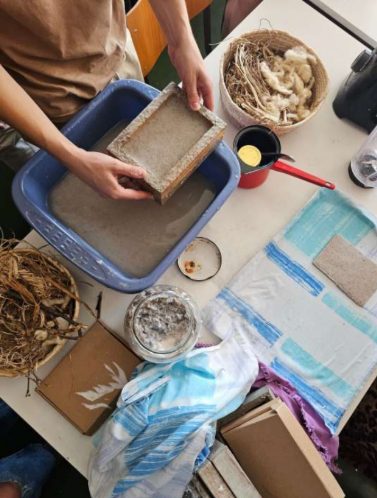
An important part of the process is cooperation with the local community and the private sector. Schools, small and medium-sized enterprises, food and beverage producers, as well as companies from the trade and manufacturing sectors have been involved in the research. This allows students to work with real material flows and concrete waste management challenges.
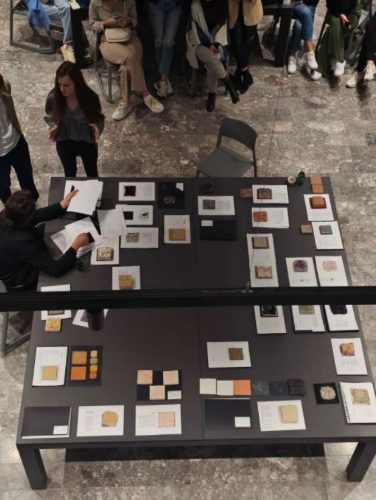
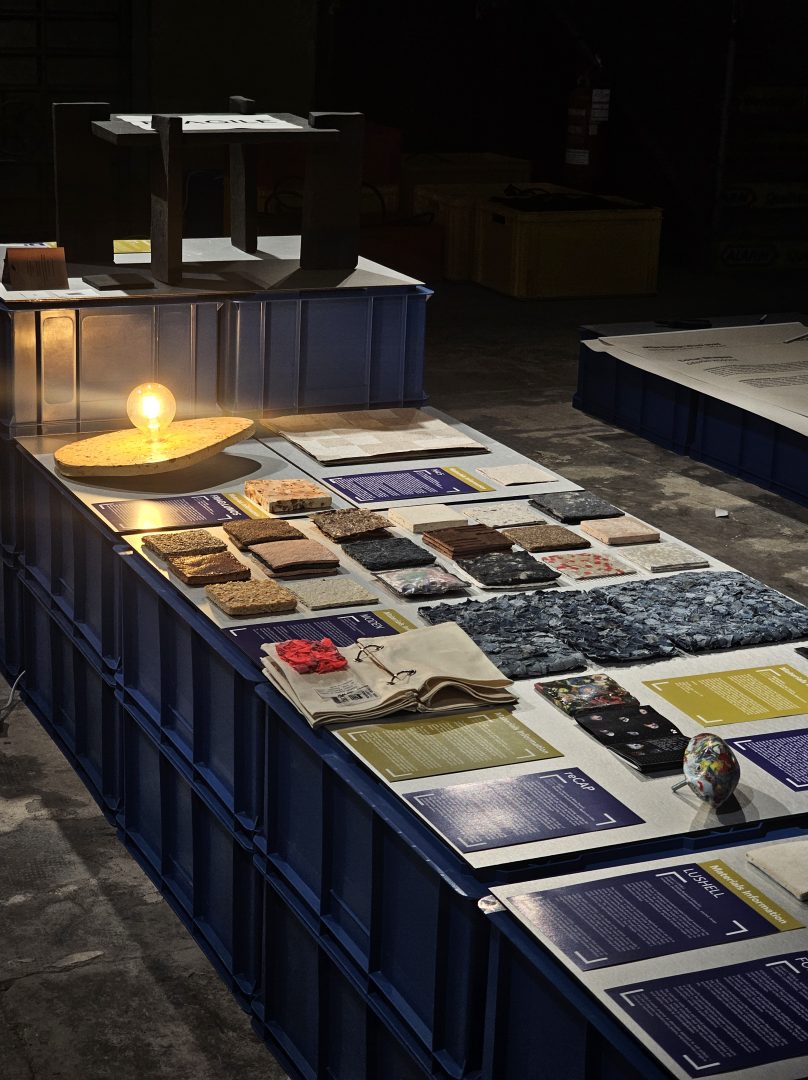
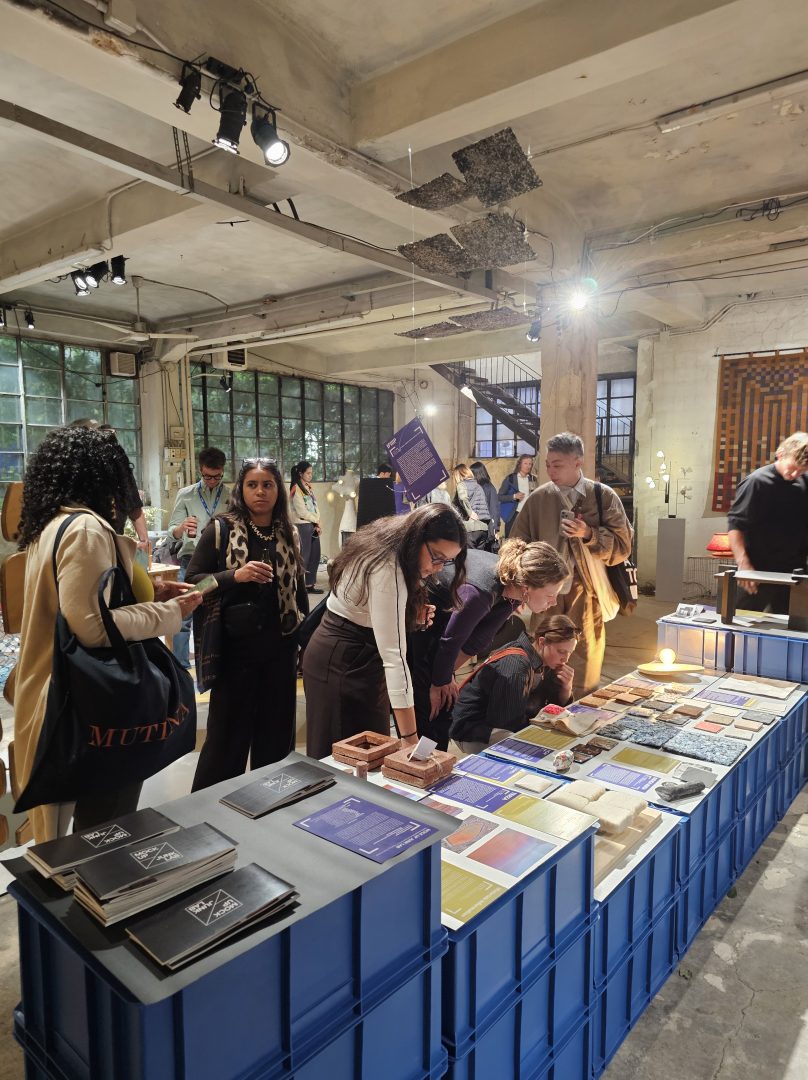
The quality and relevance of the research have also been confirmed internationally. A team of 14 students from the Faculty of Architecture was selected to participate in this year’s Milan Design Week, where they presented the results of their work on developing experimental materials and design solutions based on the principles of reuse, recycling, and waste reduction.
Through the Circular DigiBuild project, Zero Waste Montenegro supported the presentation of these results and the inclusion of students in international knowledge and experience exchange networks. This support is part of broader efforts aimed at contributing to the development of innovative solutions for the construction sector and strengthening circular approaches in practice.
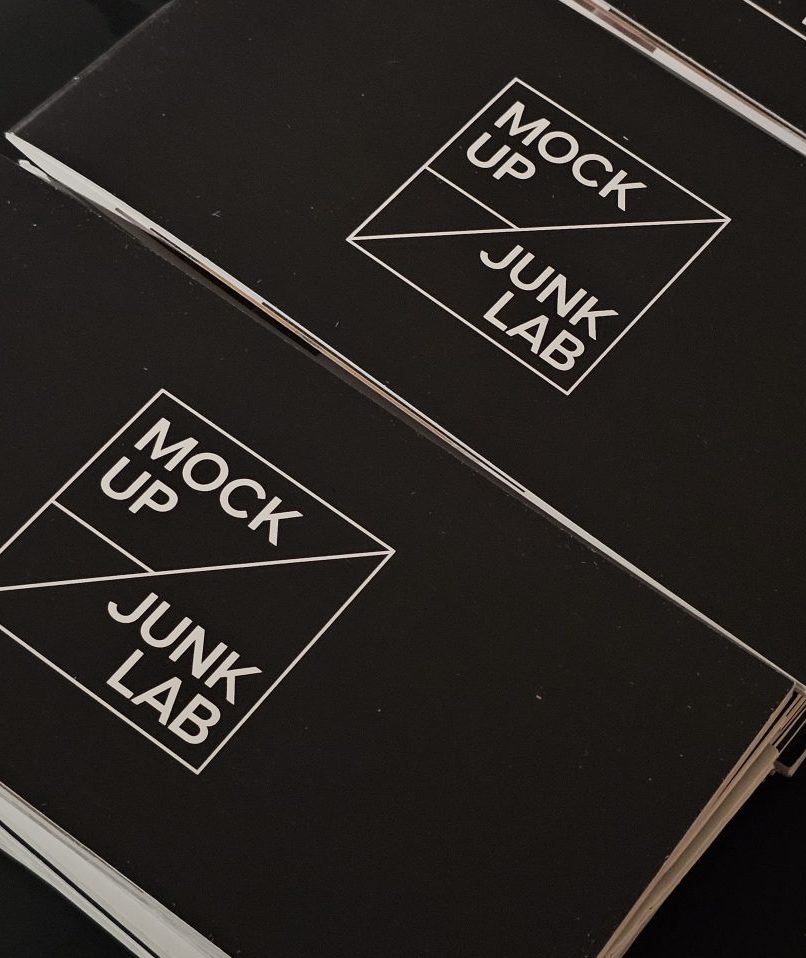
Research such as Mock-Up / Junk Lab shows that waste, materials, and construction are not separate issues. It is at their intersection that some of the most relevant research emerges today, connecting architecture, design, and experimental approaches within the context of contemporary sustainable practices. In a time of increasing waste generation and growing pressure on natural resources, such approaches can become an important part of the transition towards a more sustainable future of the construction sector.