How can the construction sector reduce its dependence on primary raw materials while simultaneously addressing the growing problem of waste? One possible answer comes from the Faculty of Architecture at the University of Montenegro, where students and academic staff, through the Mock-Up / Junk Lab research, explore the potential of different waste streams for the development of new materials and products.

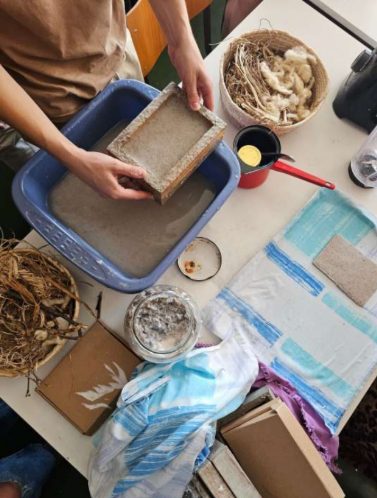
The research is carried out within the Architectural Workshop course in the final year of the integrated architecture studies programme. Unlike conventional design assignments, students spend the semester exploring materials, their properties, and potential applications through experimental work and a hands-on approach. The methodology is based on a practical approach that involves direct engagement with materials and continuous testing of their physical, technical, and aesthetic properties.

The starting point of each research process is the local context. Students map different types of waste present in Montenegro—from plastics and textiles, through residues from the food and wood industries, to construction waste and industrial by-products. In addition to analysing the materials themselves, they also examine their origin, quantities, existing management practices, and possibilities for reuse.

Research results

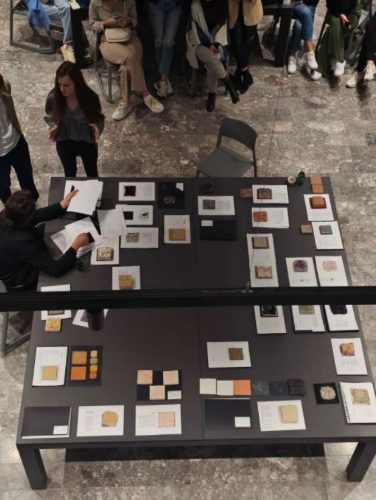
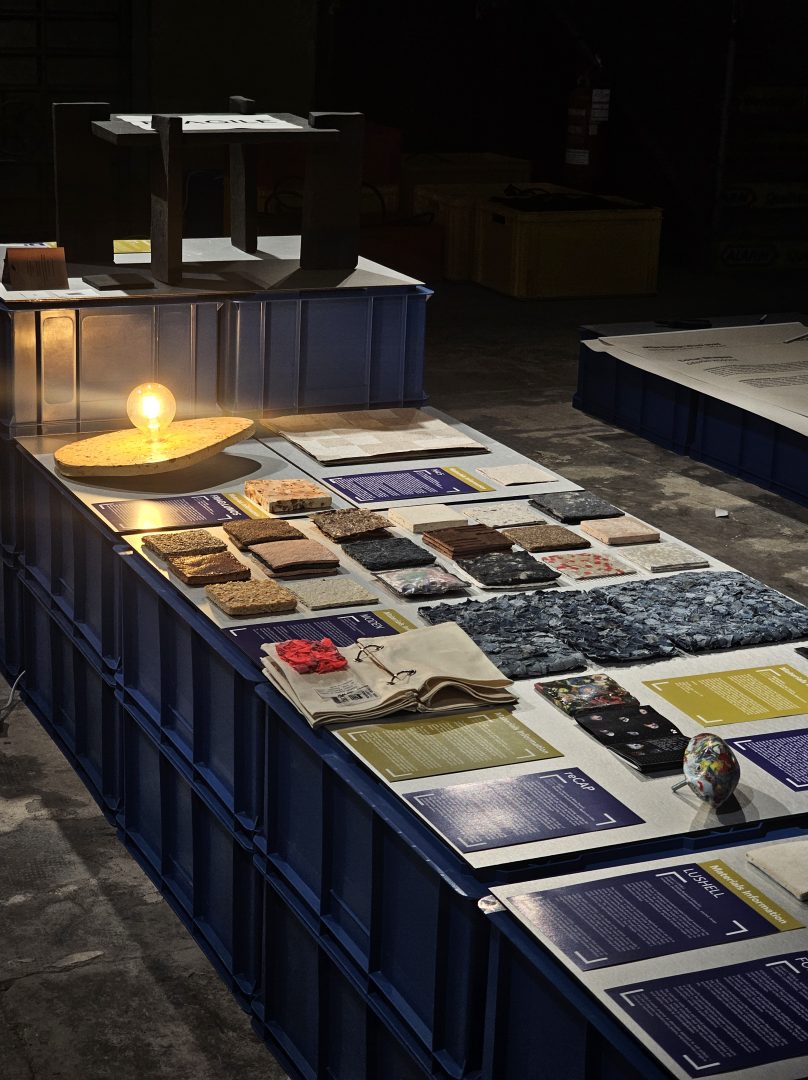
During the process, a range of experimental materials and product prototypes were developed. These include acoustic and thermal insulation panels, decorative cladding, interior elements, and other products made from materials that are most commonly treated as waste. Particular attention was given to construction waste, whose reintegration into production processes represents one of the key challenges of circular construction.

One of the more significant research segments focuses on red mud generated by the former Aluminium Plant Podgorica. This is an industrial waste that has represented a major environmental challenge for decades. Within the research, an experimental material called Red Mud Block was developed, exploring the potential use of red mud in construction products. This approach does not treat waste remediation as an isolated issue, but instead examines its properties and potential applications in new production processes.

An important part of the process is cooperation with the local community and the private sector. Schools, small and medium-sized enterprises, food and beverage producers, as well as companies from the trade and manufacturing sectors have been involved in the research. This allows students to work with real material flows and concrete waste management challenges.

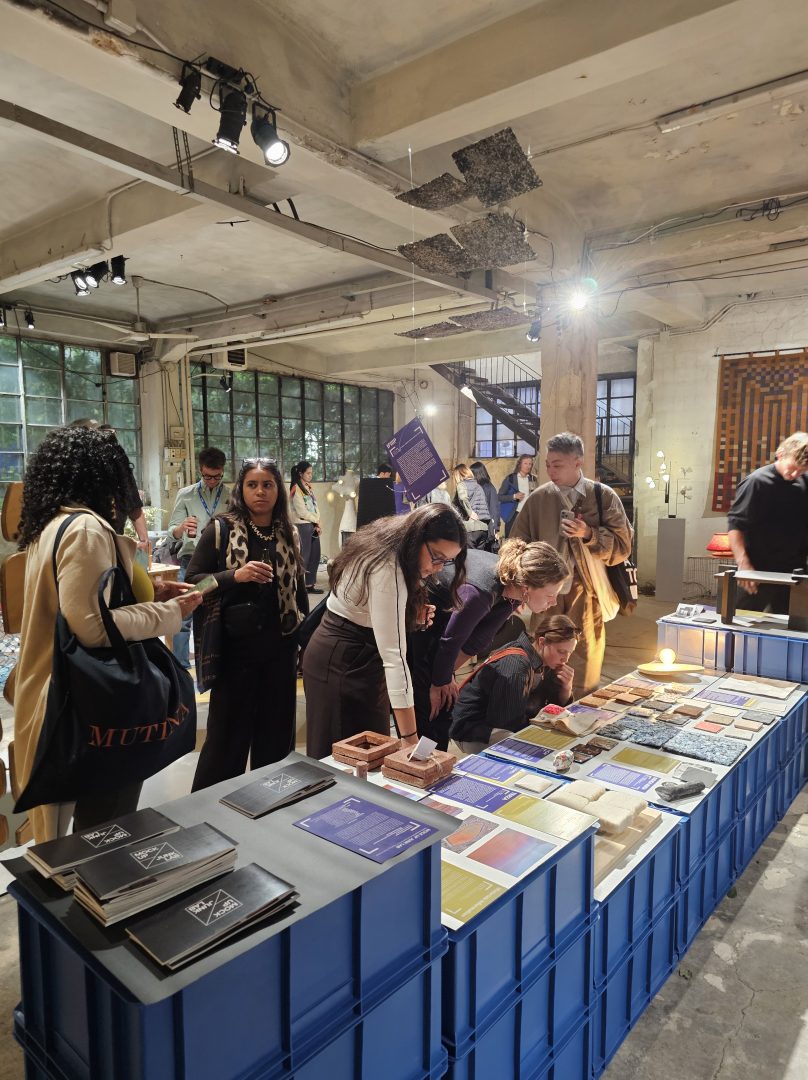
The quality and relevance of the research have also been confirmed internationally. A team of 14 students from the Faculty of Architecture was selected to participate in this year’s Milan Design Week, where they presented the results of their work on developing experimental materials and design solutions based on the principles of reuse, recycling, and waste reduction.

Through the Circular DigiBuild project, Zero Waste Montenegro supported the presentation of these results and the inclusion of students in international knowledge and experience exchange networks. This support is part of broader efforts aimed at contributing to the development of innovative solutions for the construction sector and strengthening circular approaches in practice.

Research such as Mock-Up / Junk Lab shows that waste, materials, and construction are not separate issues. It is at their intersection that some of the most relevant research emerges today, connecting architecture, design, and experimental approaches within the context of contemporary sustainable practices. In a time of increasing waste generation and growing pressure on natural resources, such approaches can become an important part of the transition towards a more sustainable future of the construction sector.