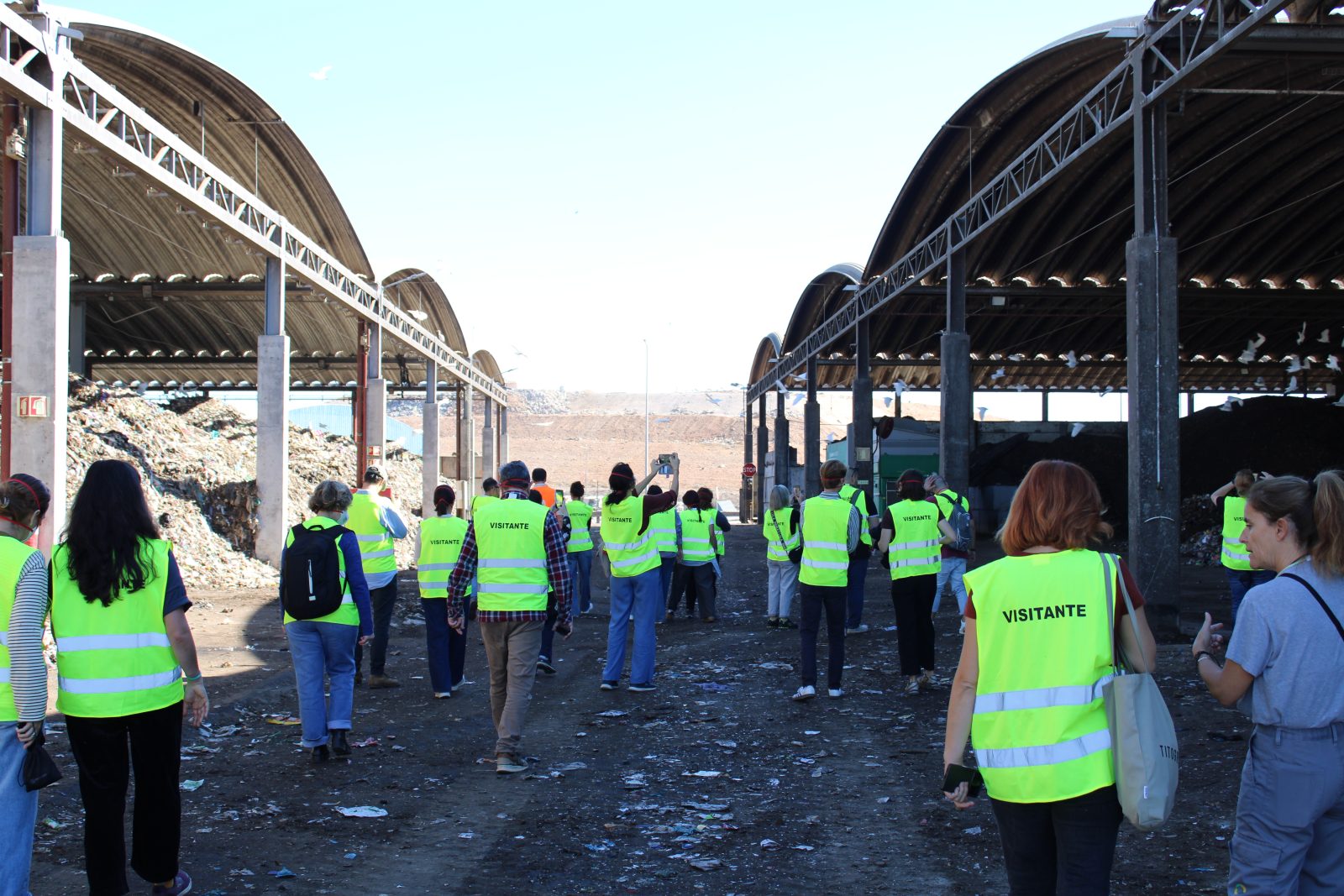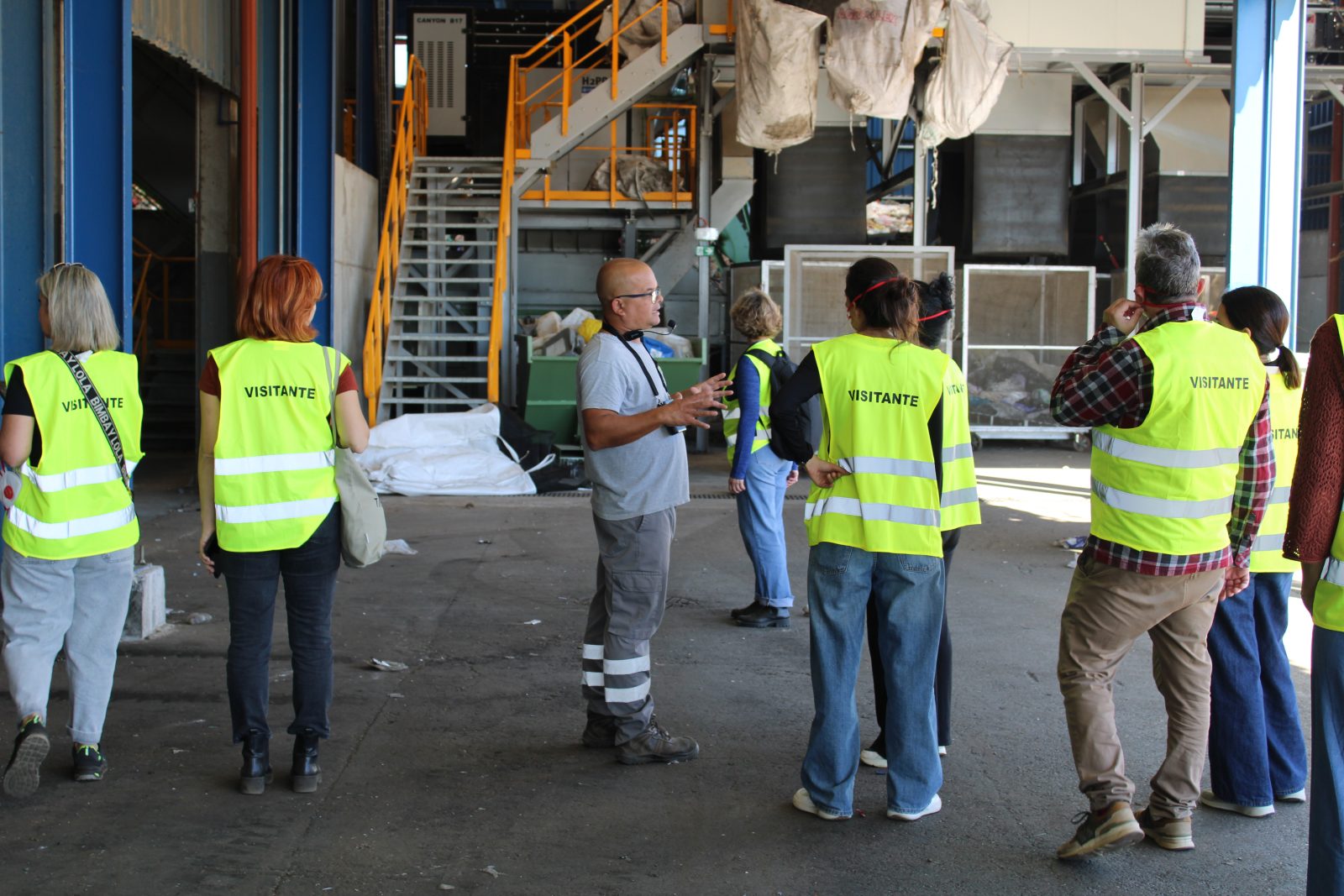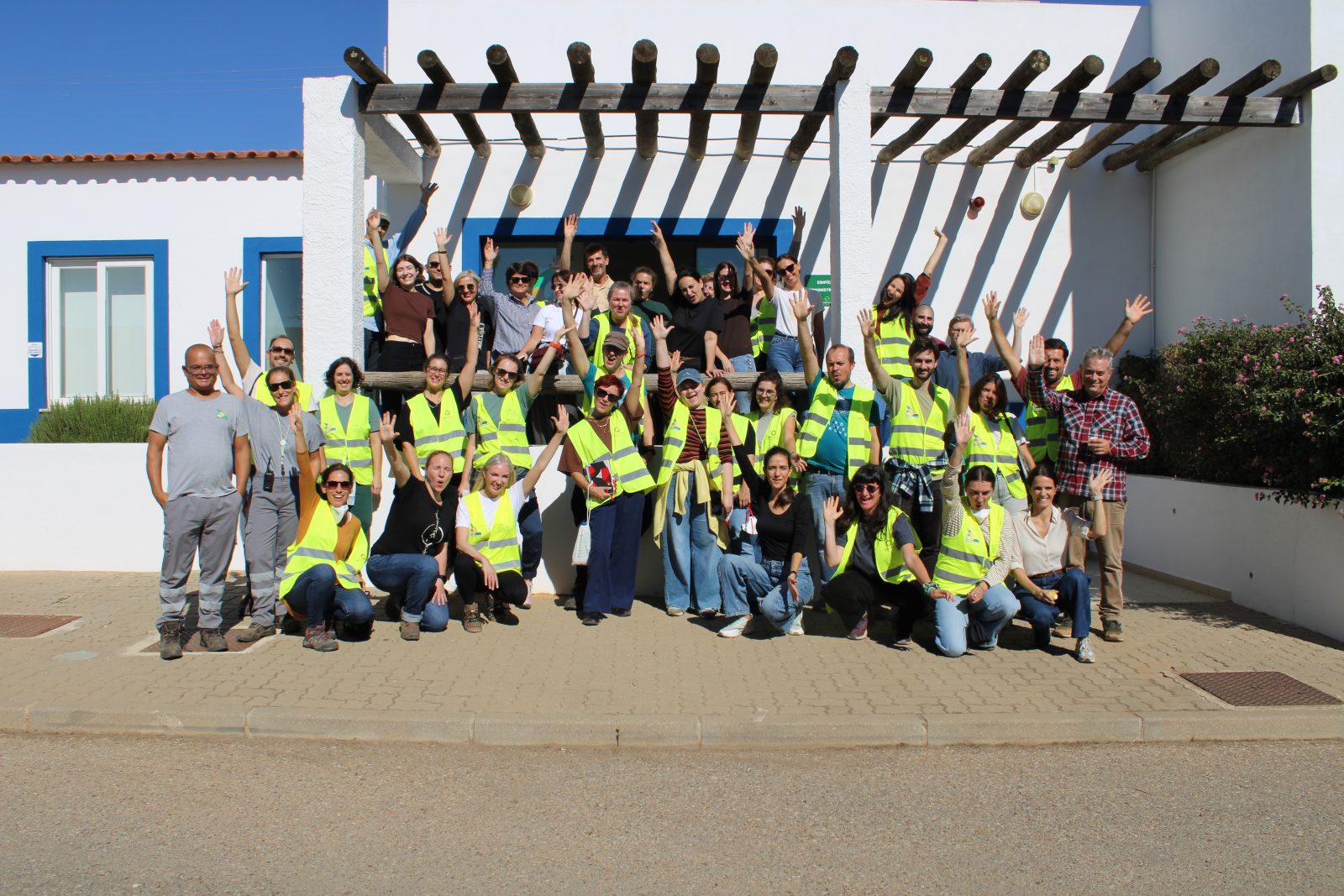
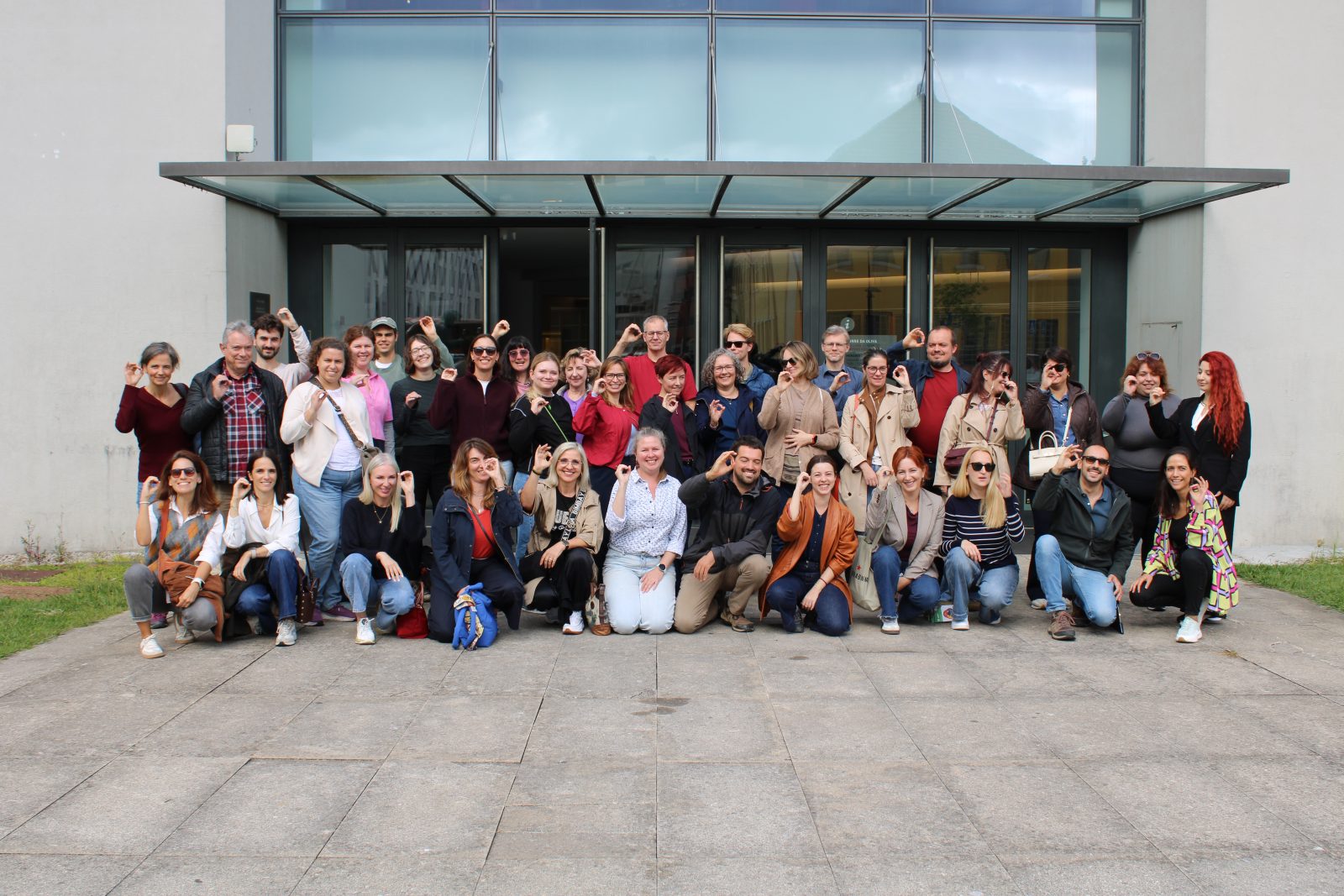
From 26 to 28 October 2026, the Portuguese cities of São João da Madeira and Beja hosted a study visit focused on exploring good practices in waste prevention, separate collection and waste treatment. The visit, organised by ZERO Portugal and Zero Waste Europe, brought together Vanja Cicmil, Director of Zero Waste Montenegro, and Jelena Radunović, Milica Penda and Danica Čelebić, representatives of the Kotor Municipal Company, who had the opportunity to gain first-hand insight into solutions that are already delivering tangible results.
What made this visit particularly valuable was the opportunity to see first-hand how solutions we often talk about actually work in practice. Good results do not always depend on large investments or complicated systems, but can also come from good organisation and the willingness of local communities to change established habits.
When waste comes to the door: door-to-door collection
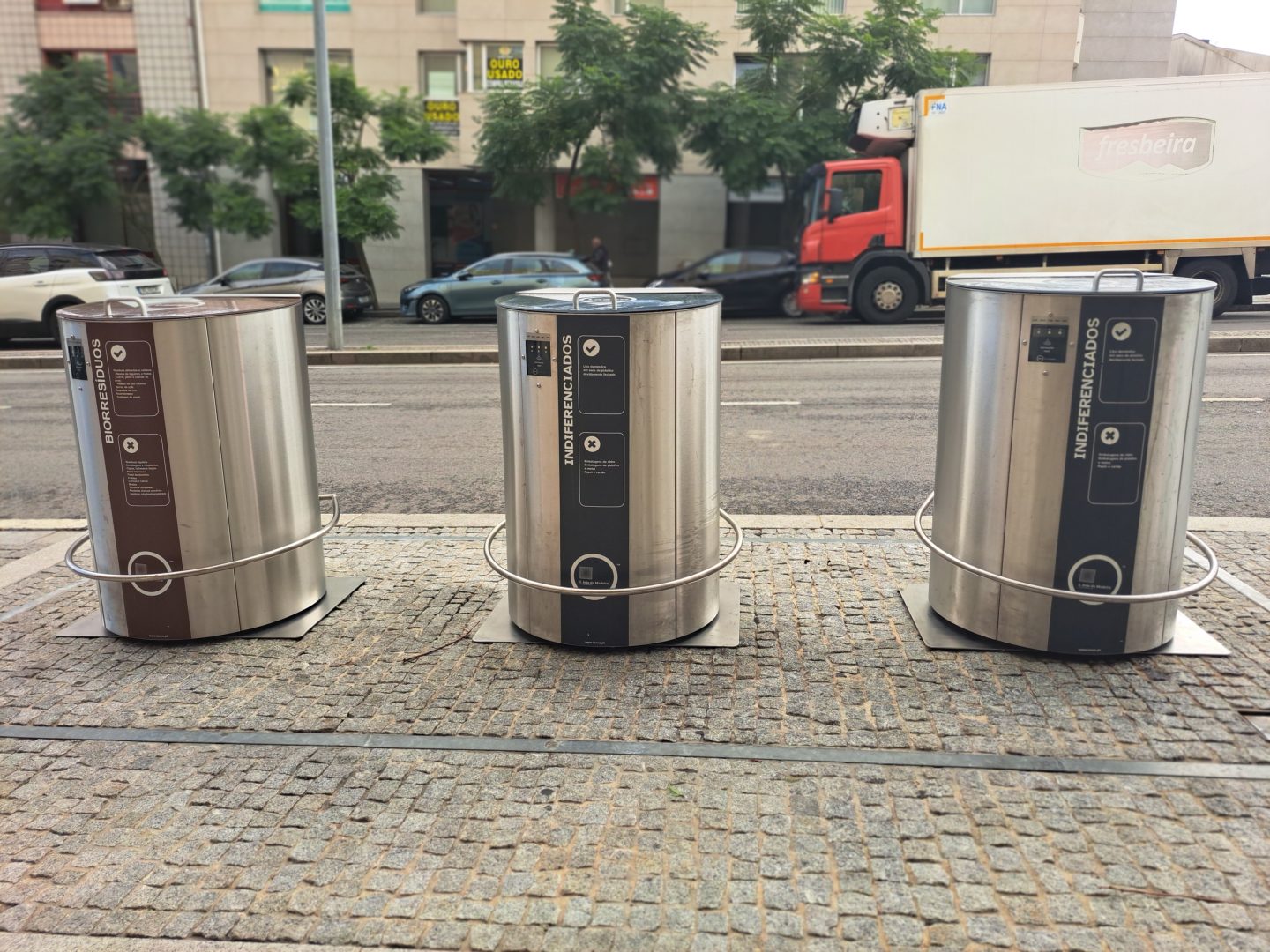
One of the particularly interesting examples presented on the first day of the study visit was in the city of São João da Madeira, which is gradually developing a system for collecting waste separately directly from households and businesses.
This approach, known as a “door-to-door” collection system, makes it easier to separate waste at the point where it is generated, while also enabling higher-quality collection of materials that can be reused or recycled.
The system currently covers around 40% of the city’s population, more than 300 retail and hospitality businesses, as well as approximately 20 schools.
The results show how effective this approach can be: between 2018 and 2023, the amount of mixed municipal waste generated per capita decreased by around 20%, while the introduction of separate bio-waste collection contributed to an additional reduction during the very first year of implementation.
Particular attention was also paid to the development of a charging system based on the amount of mixed waste generated, known as Pay-As-You-Throw (PAYT). Its basic idea is simple: to encourage citizens and businesses to generate less waste and properly separate recyclable materials.
Less single-use plastic, more reuse
The experience of this Portuguese city also shows that significant changes do not always have to start with major investments.
At city events, sports events and schools, reusable products are increasingly being used, while the use of single-use plastics is being systematically reduced.
For example, during the five-day city event “A Cidade no Jardim”, measures aimed at avoiding single-use plastics prevented the use of more than 60,000 disposable cups and bottles.
Another inspiring example comes from the Andebolmania youth handball tournament, where the amount of waste generated in 2026 was reduced by as much as 72% compared to the previous year. These changes were achieved through relatively simple measures – reorganising food service, using reusable tableware and improving waste separation.
Zero Waste Montenegro is working to encourage similar changes in Montenegro through cooperation with institutions and concrete waste prevention initiatives. One recent example is the Central Bank of Montenegro, which, with the support of our organisation, introduced measures to reduce the use of single-use plastics and improve waste separation in its day-to-day operations.
In addition, Zero Waste Montenegro is currently preparing the first draft of the National Waste Prevention Programme, which will provide a basis for further developing waste prevention measures and aligning them with European standards.
What happens to the waste that is still generated?
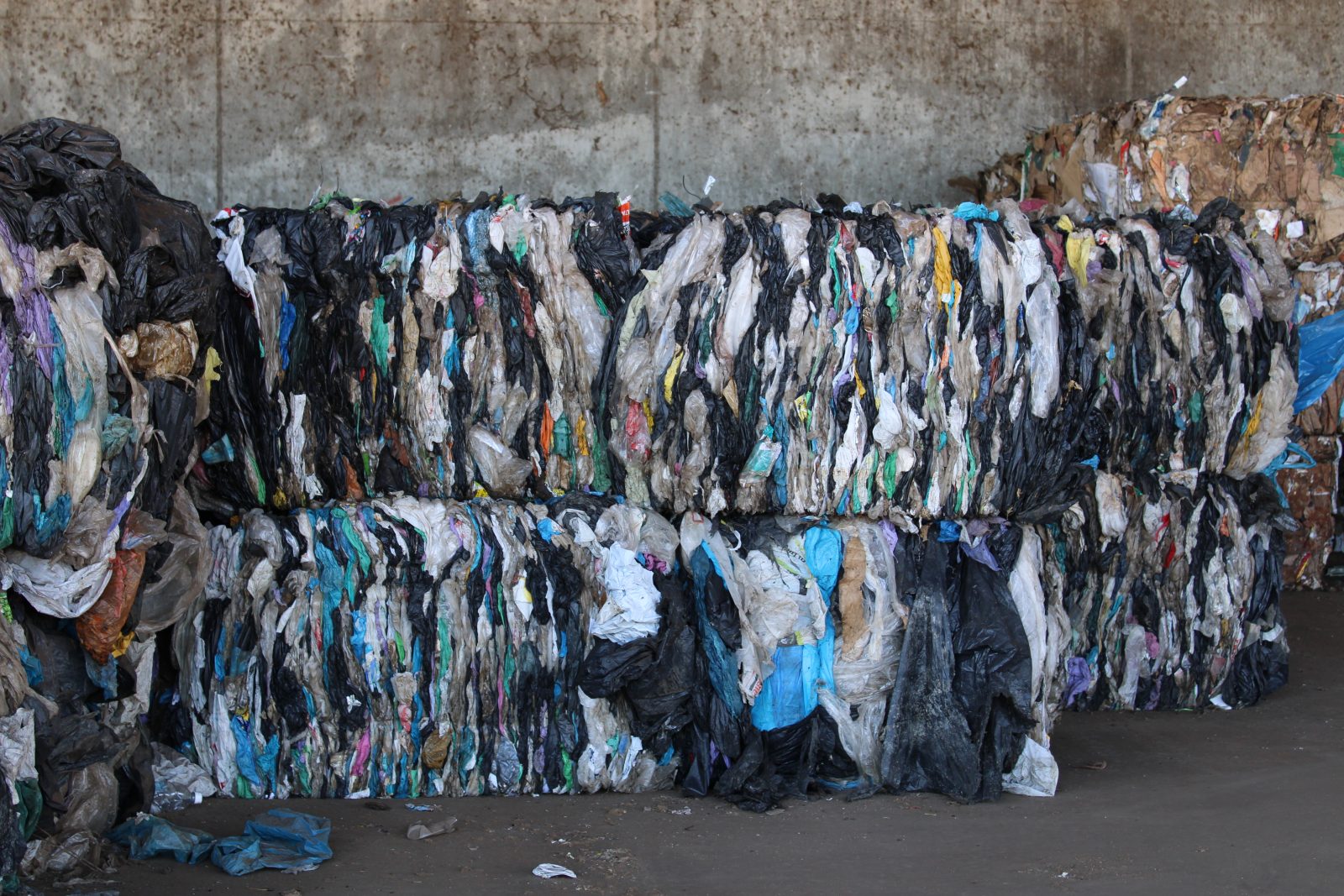
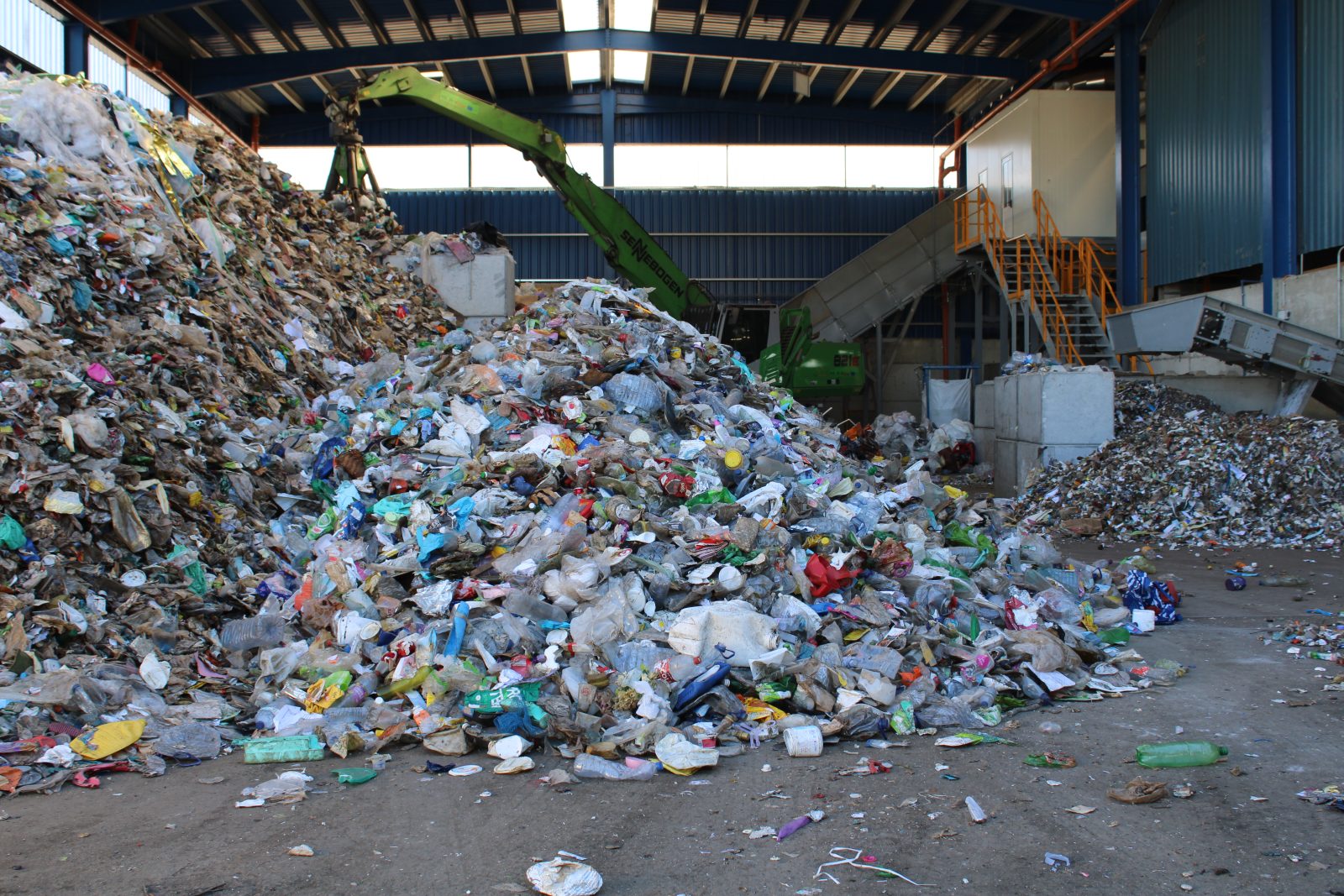
The second part of the study visit focused on the Resialentejo facility in the city of Beja, where technological solutions for recovering valuable materials from mixed waste and biologically stabilising its organic fraction were presented.
This approach makes it possible to recover additional materials for recycling, while the organic fraction is treated to reduce its negative environmental impact, including potential methane emissions following disposal.
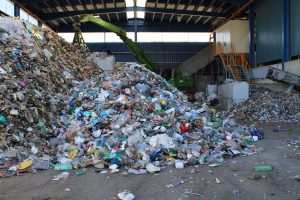
According to the data presented, the Resialentejo facility manages to divert around 66% of incoming mixed municipal waste from landfill, which represents a significant result compared to the national average of 29%.
However, technological treatment cannot replace waste prevention and separate collection. This is precisely why the Zero Waste approach is based on developing systems that prioritise avoiding waste generation, followed by reuse and recycling, while gradually reducing the amount of residual waste.
Experiences that can contribute to change in Montenegro
The examples from Portugal show that transitioning towards more sustainable waste management requires time, clear goals and the continuous improvement of existing systems.
For Montenegro, where improving separate waste collection and reducing the amount of waste sent to landfill remain important environmental challenges, such experiences represent a valuable source of knowledge and inspiration.
The study visit to Portugal once again demonstrated that Zero Waste is not an unattainable ideal, but a process that begins with concrete decisions, good planning and a willingness to change the way we look at waste: not as an inevitable problem, but as a resource whose value can be preserved.
Zero Waste Montenegro will continue to advocate for solutions that prioritise waste prevention, reuse and recycling, alongside the development of sustainable waste management systems. We particularly emphasise the need to move away from plans to build incineration facilities and instead direct investment towards solutions that provide long-term benefits for citizens: a cleaner environment, less pollution, more efficient use of public funds and healthier local communities. Because responsible waste management is not only a matter of protecting nature, but also of ensuring a better quality of life for all of us.
For those interested in learning more about the solutions we had the opportunity to explore during the study visit, we have also prepared a more detailed overview of Portuguese practices in English: