
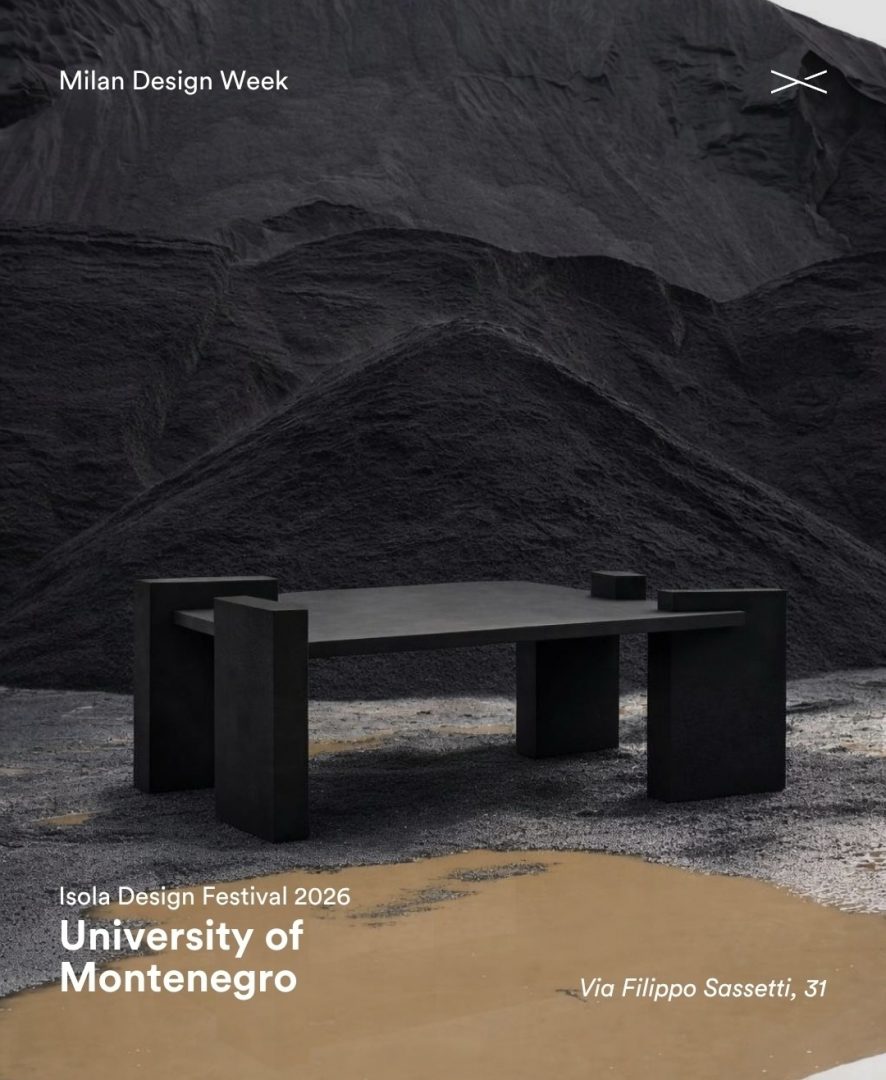
The Faculty of Architecture at the University of Montenegro is actively engaged in developing innovative solutions for circular construction, thereby contributing to the creation of local building products and addressing current issues related to construction waste.
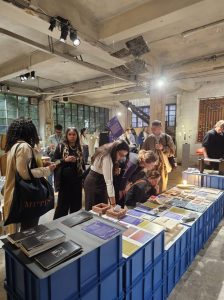
A notable achievement of the Faculty is its participation in the renowned Milan Design Week (Isola.design), where a team of 14 students successfully passed multiple selection stages and got the opportunity to present the results of their research as part of the collective exhibition No Space for Waste at the Isola Design Festival, hosted in Fabbrica Sassetti, Milan.
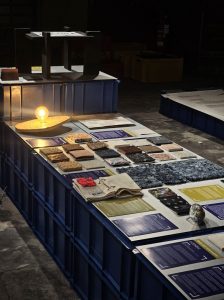
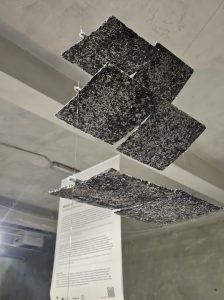
One of the key research aspects carried out at the Faculty of Architecture is focused on exploring the potential of waste through its reuse in the design process of new products, opening the way for the development of systemic solutions based on its creative potential. Particularly important are the results targeting plastic waste and construction waste, recognized as major challenges, especially in the construction sector. The research has led to the development of experimental materials and design products made from various types of waste and industrial by-products, thereby promoting the most advanced circular practices in the construction sector.
A special part of the research is dedicated to analyzing the potential of red mud from the Aluminum Plant in Podgorica, which represents one of the most toxic sites in the country and a leading environmental issue on national level. The “students’ response” offers a solution through the creation of a new material – Red Mud Block. This material opens a new perspective on the potential of red mud as a construction resource while simultaneously addressing a long-standing ecological challenge.
The results of the work conducted at the Faculty of Architecture will be presented at an national-level event dedicated to creating conditions for innovative digital solutions in circular construction, scheduled by the NGO Zero Waste Montenegro in May 2026 in Podgorica, within the framework of the Circular DigiBuild project.
The Circular DigiBuild project is supported by the Interreg Danube Region Programme, co-funded by the European Union. The aim of the project is to accelerate the transition of the construction and building industry towards circular economy models enabled by digital technologies.